Neural computations, circuits, and behaviour
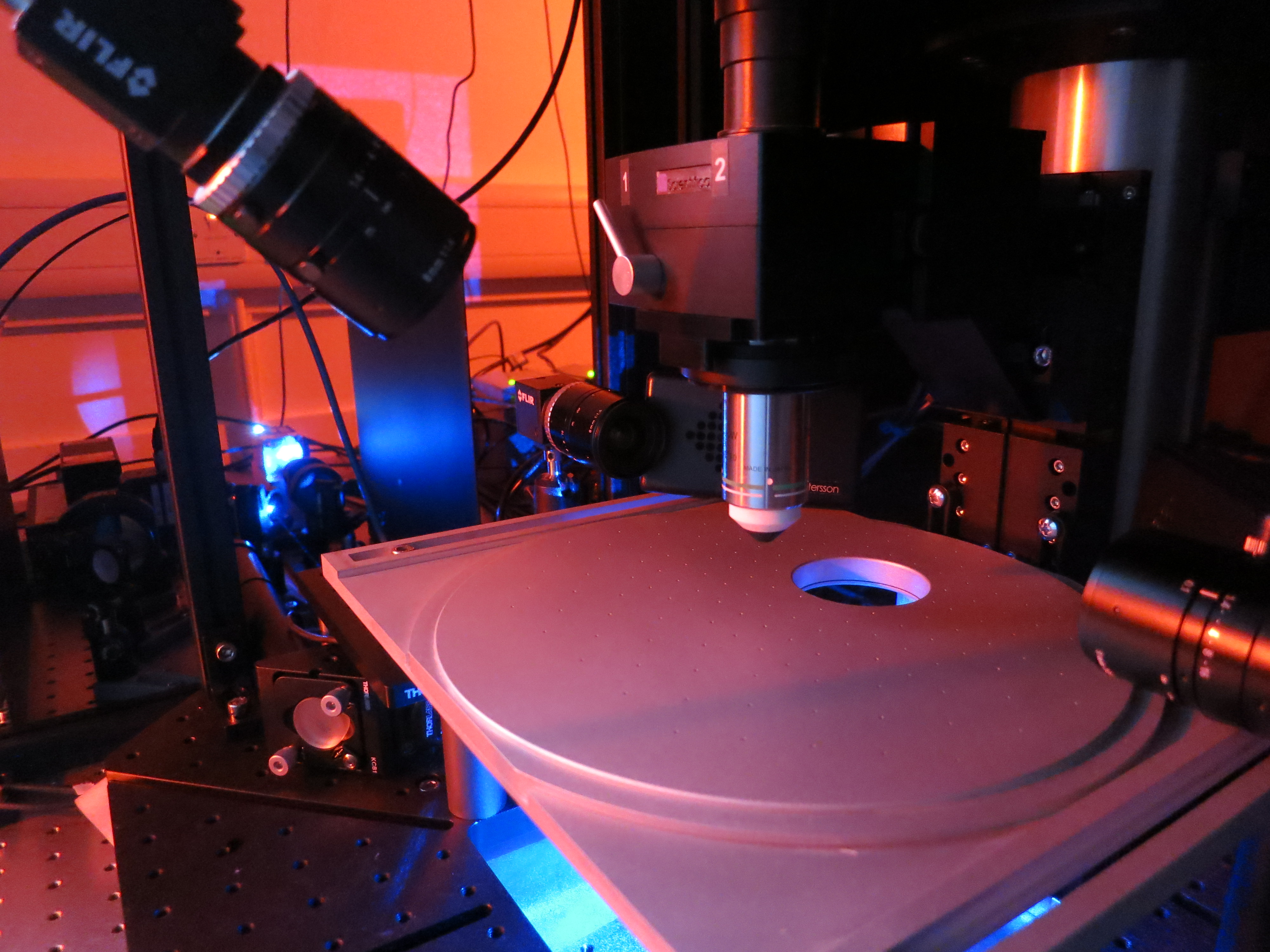
Pain and protective behaviour are strongly context dependent. The same sensory event can produce different perceptions and actions depending on behavioural state, posture, arousal, prior experience and the demands of the moment. We study how neural circuits combine these variables to regulate sensitivity and organise behaviour, and how injury alters these computations.
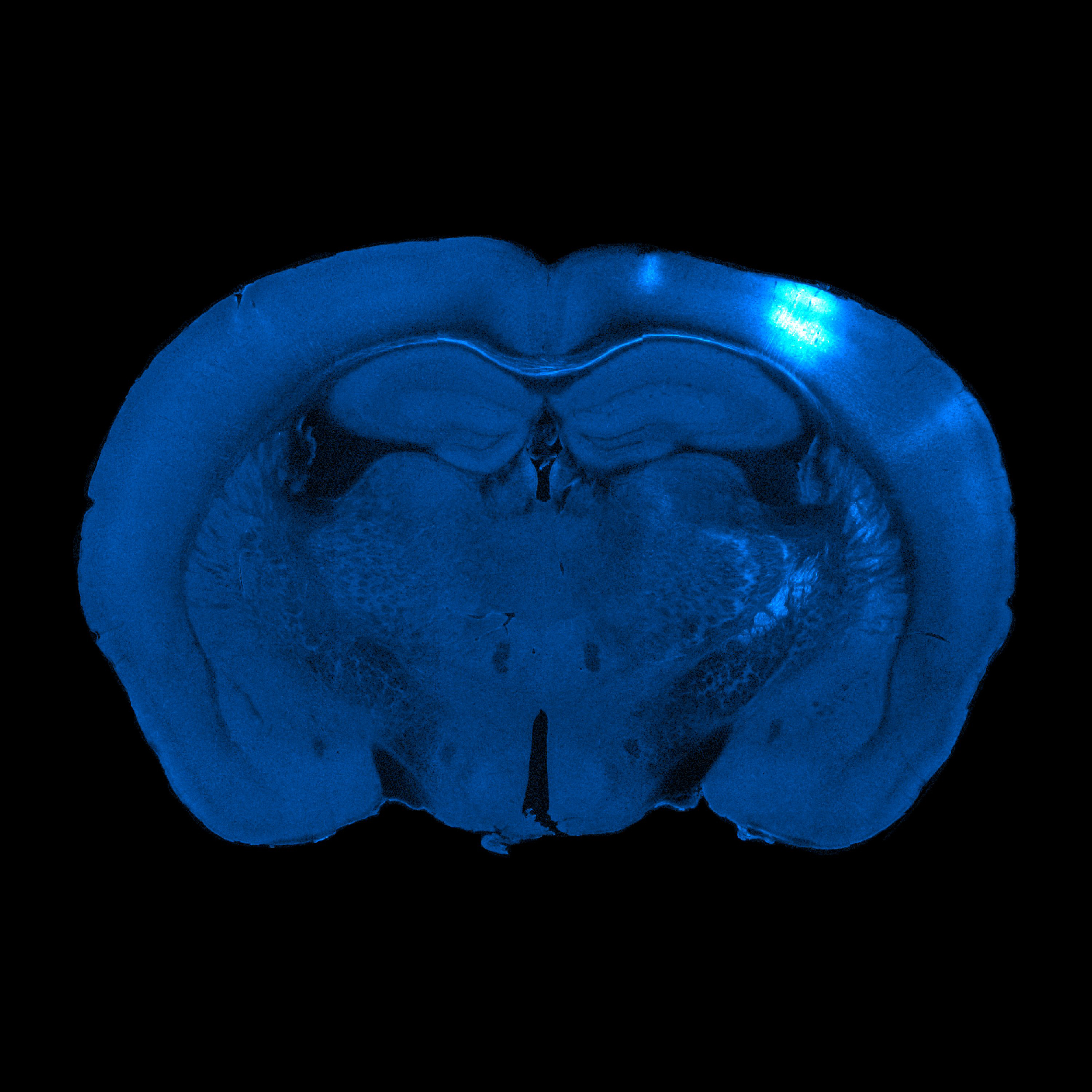
A central part of this work is understanding how information is distributed across populations of neurons rather than assigned to individual cells. We combine quantitative behaviour with controlled sensory stimulation, neural imaging and recording, and causal manipulation to relate population activity to sensory input, state and action across different levels of the nervous system.
Tools for systems neuroscience
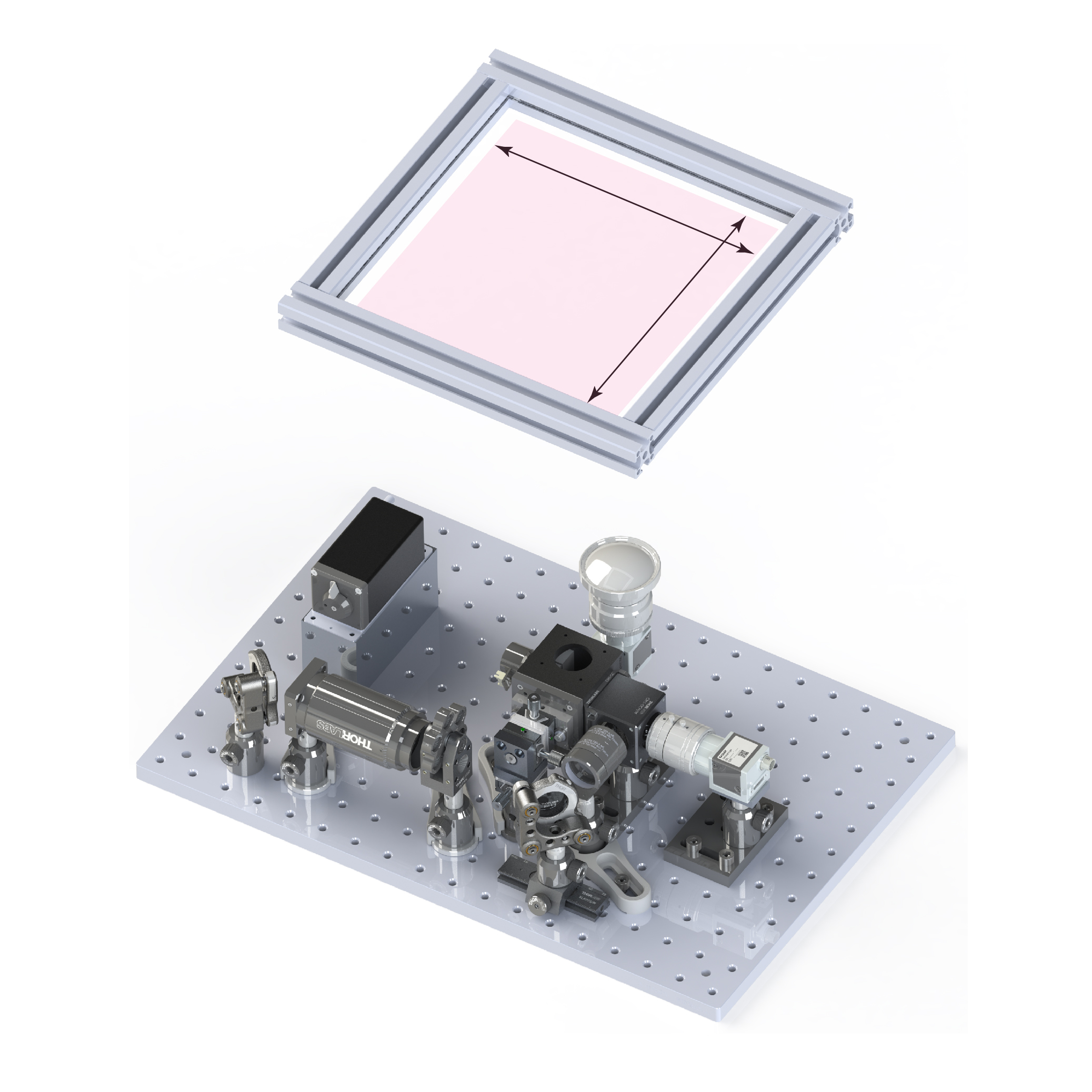
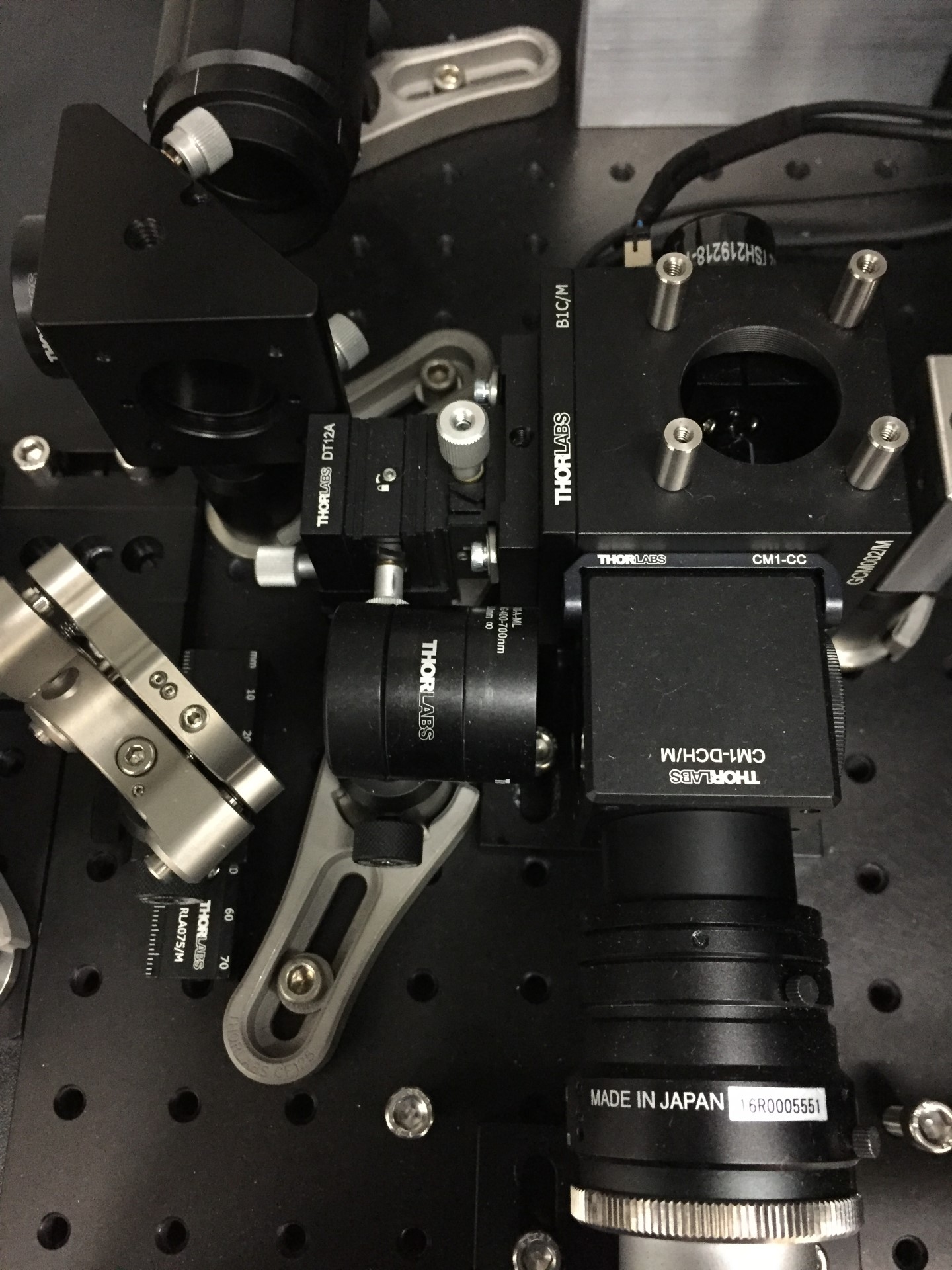
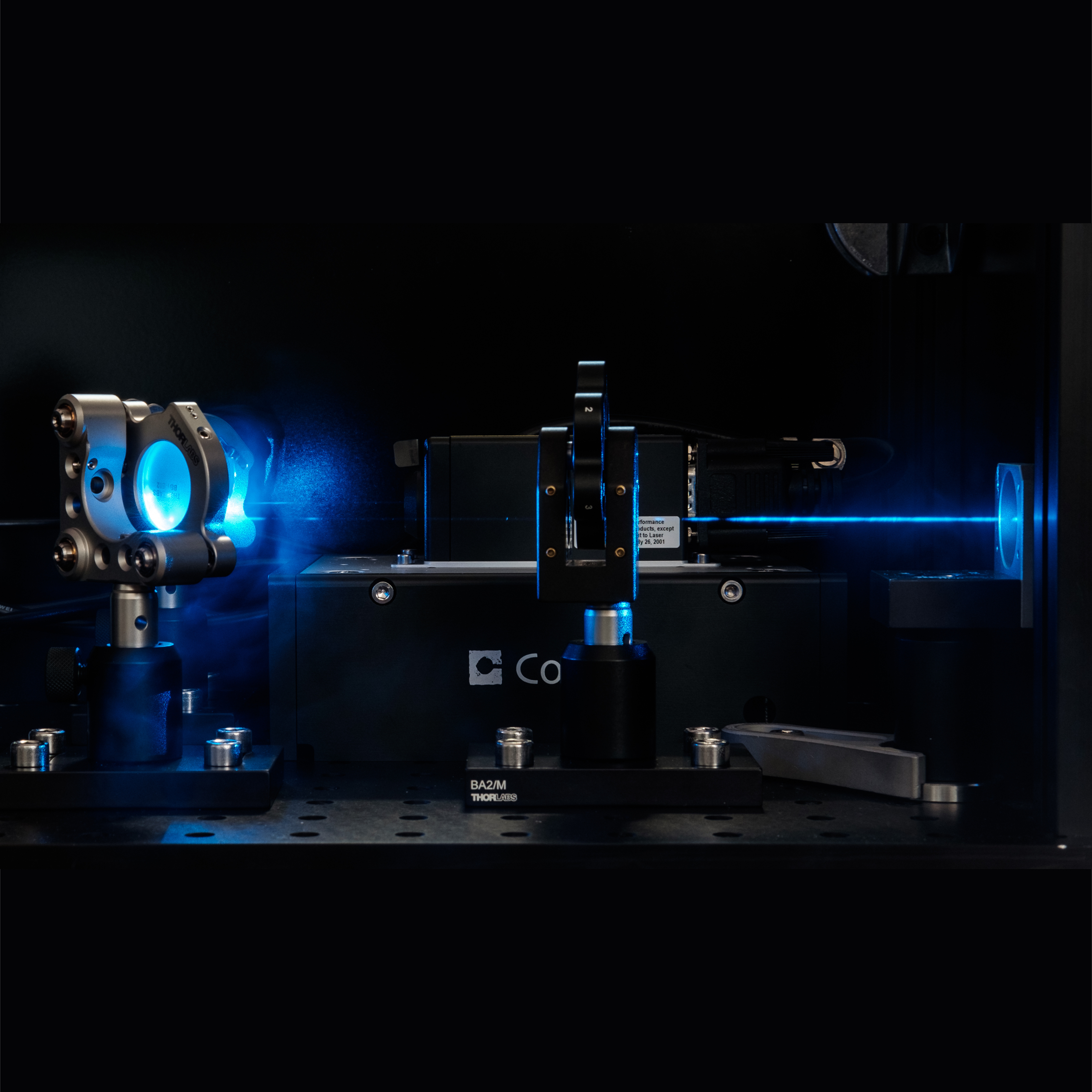
Mechanistic questions require experiments in which sensory input, neural activity and behaviour can be measured and manipulated. We develop optical stimulation, neural interfaces, imaging and recording, machine vision and closed-loop systems that make these relationships experimentally accessible.
Increasingly, these tools operate during naturalistic behaviour: tracking the body at high speed, targeting defined areas of skin without contact ("remote touch"), and allowing sensory input to depend on what the animal is doing and where it is. Designs, software and analysis code are shared openly where possible.
Closed-loop systems for chronic pain
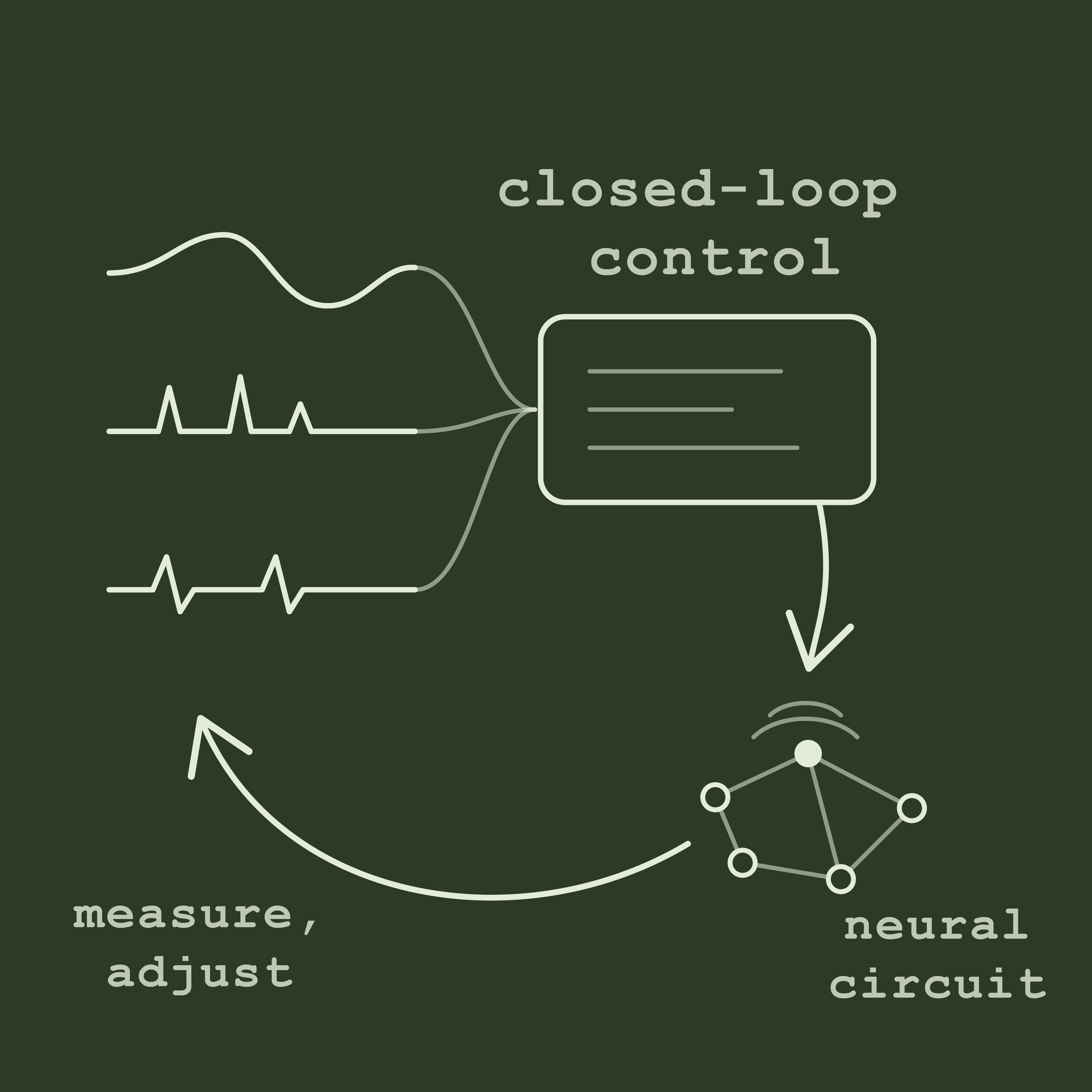
Understanding a mechanism means we can itervene with precision. As a core member of EPIONE, we help develop neurotechnologies that combine neural, physiological, and behavioural sensing with interventions that can respond in real time.
This is the translational extension of our mechanistic programme: identify the processes that sustain pain, measure the relevant state, intervene at the appropriate place and time, and use the resulting change to guide what happens next. The long-term aim is adaptive neural interfaces for the treatment of chronic pain.
The challenge of chronic pain
Pain is one of medicine’s oldest problems and remains one of its largest sources of disability and suffering. Persistent pain can remain after an injury has healed or arise without one, yet it is still among the conditions least well served by existing treatments. The difficulty is fundamentally mechanistic: persistent pain is not simply a louder version of acute pain, and the changes in the nervous system that sustain it are still poorly understood. Without knowing which mechanisms have changed, treatment will inevitably remain blunt. We aim to identify those mechanisms and use them to define what, where, how and when the nervous system should be targeted.
Protective control
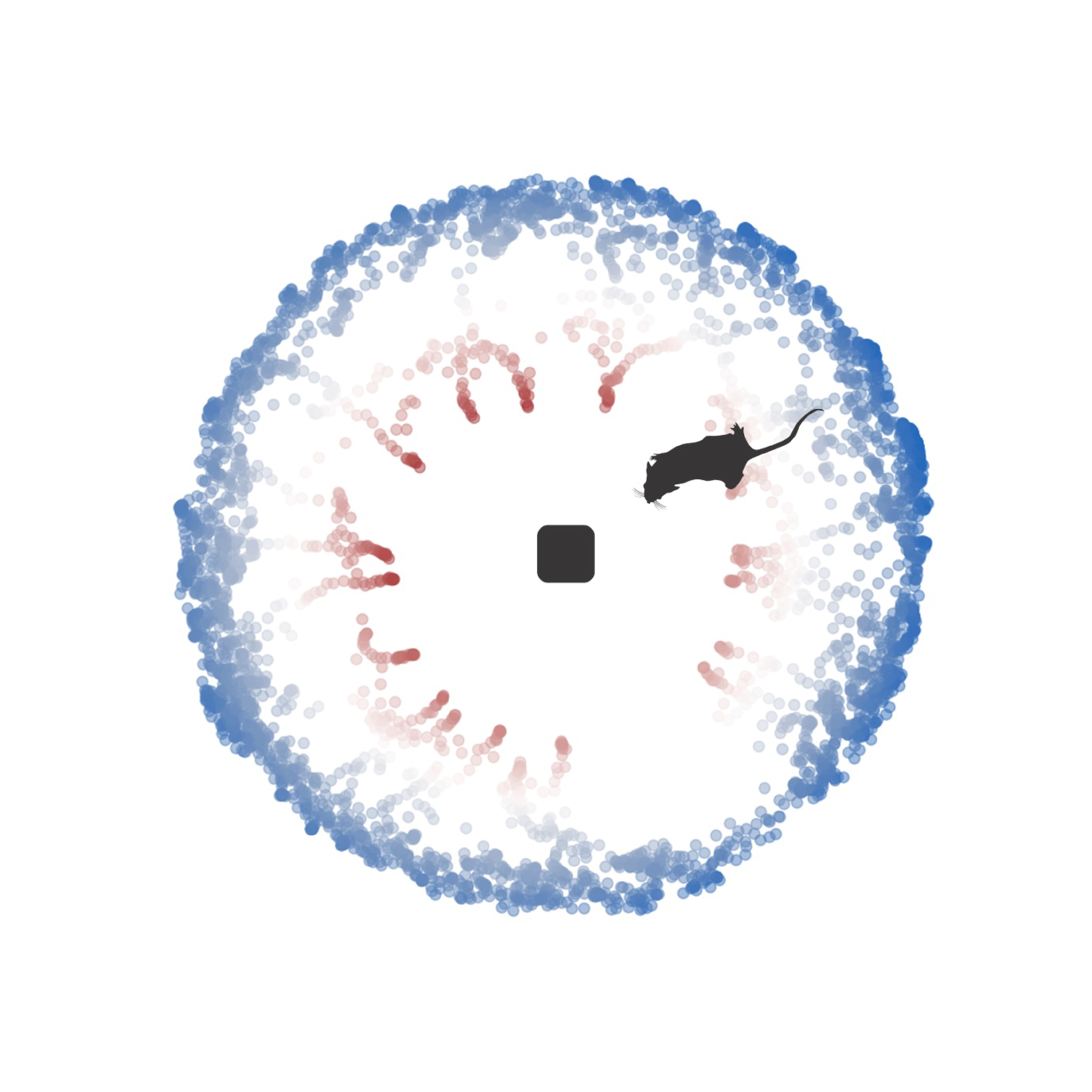
Pain is part of a broader problem in neuroscience: how the nervous system regulates behaviour to reduce the risk of harm. Sensory evidence of threat must be interpreted in relation to internal state, ongoing behaviour, uncertainty and competing priorities. Effective protection therefore depends not simply on detecting danger, but on selecting and scaling actions appropriately for the circumstances. We study the neural mechanisms that organise this protective control, and how injury changes the rules by which sensation and state guide action.